
Gum Disease Treatment – Melbourne, FL
Healthy Gums for a Healthy Smile
Did you know that the foundation for a healthy smile is healthy gums? Without these soft tissues to hold your teeth in place, you wouldn’t be able to bite or chew your food, speak clearly, or show your pearly whites in a confident smile. If your teeth do not have cavities, it can be easy to regard signs of problems with your gums as no big deal. However, the leading cause of tooth loss throughout the world isn’t tooth decay—it’s gum disease. Without intervention, this common condition can wreak havoc on your smile and your overall well-being. Luckily, our team at Cedric C. Chenet, DDS PA offers gum disease treatment in Melbourne. Keeping reading to learn more!
What Is Gum Disease?
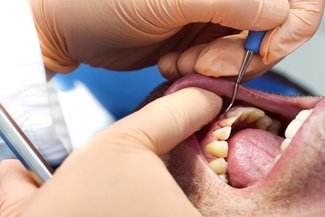
Gum disease, also called periodontal disease, is a bacterial infection that inflames the gum tissue. Initially, gum disease appears relatively harmless with red, swollen gums that bleed easily when you brush or floss. It may also cause you to have chronic bad breath. Over time, however, as the infection worsens, the gums recede from the teeth, and the bacteria eventually spread to the jaw bone and supporting tissues. Untreated, gum disease can lead to unstable or loose teeth and ultimately tooth loss.
In addition, studies have found that gum disease can have a far more serious impact on your health than just gaps in your bite. For example, research suggests that the bacteria responsible for gum disease can enter the bloodstream and cause inflammation elsewhere, such as the brain and important arteries and blood vessels. As a result, untreated gum disease can increase your odds of getting heart disease and Alzheimer’s. That’s why it’s so important to treat this condition as early as possible.
How Do We Treat Gum Disease?
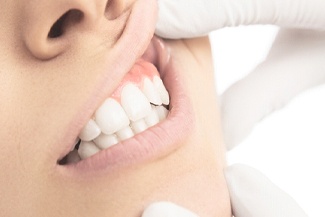
One of the most effective ways to treat gum disease is a procedure known as scaling and root planing. This is essentially a deep cleaning of the mouth that is completed in two stages. First, your dental team will remove the plaque and bacteria deposits from above and below the gumline. Then, at your second appointment, we will plane the roots of the teeth, so they are smooth enough for your gums to healthily reattach.
We may use anesthesia during this treatment to keep you as comfortable as possible. As long as you maintain your oral hygiene routine following treatment, you can expect to enjoy long-term results from this procedure.
Scaling & Root Planing

Scaling and root planing is a two-step process designed to remove dangerous accumulations of dental plaque and bacteria that have formed below the gumline. If left untreated, these can increase your risk of tooth decay and periodontal (gum) disease.
First, your dental team will scale the teeth, reaching into the gingival pockets to remove any plaque deposits, and second, the root planing, where we will smooth out the roots of the teeth so your gums can reattach to them without the presence of dangerous oral bacteria.
Do You Need Scaling & Root Planing?
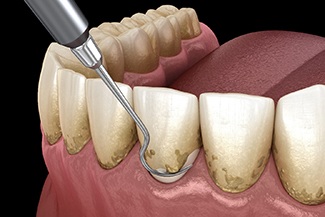
The easiest way to determine if you need scaling and root planing is to visit your dentist at Chenet Dental for a consultation. If you have receding gums and/or a dangerous accumulation of plaque and bacteria that extend below the gumline, you may be an ideal candidate for this procedure.
Please note that you may also be recommended antibiotic therapy in conjunction with scaling and root planing to help keep your gums healthy while they heal.
The Process of Scaling & Root Planing
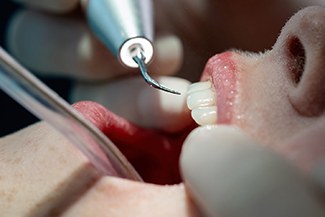
For the first step of this treatment, your dental team will numb your mouth, so you’ll remain comfortable during the procedure. Once you are numb, your dental team will deep clean your gums, reaching below the gumline and into the gingival pockets to remove any buildup that has accumulated.
At your second appointment, we will again numb your mouth and then smooth the roots of the teeth so that there is no place for new bacteria to cluster and your gums can reattach to the teeth without interference.
Aftercare Tips for Scaling & Root Planing
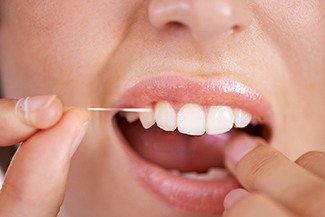
After undergoing scaling and root planing treatment, it’s normal to experience some tenderness and inflammation of the gums. To that end, here are a few tips to help keep them feeling as comfortable as possible:
- Don’t eat or chew on anything until your anesthesia has worn off.
- Stick to a soft diet for the next 48 hours after treatment.
- Don’t smoke, vape, or drink alcohol for at least 72 hours after treatment.
- Rinse your mouth often with warm saltwater to keep it clean and soothe any discomfort.
- Take your prescription or OTC pain relievers as directed.
- Be very gentle when brushing and flossing your teeth.
- Don’t skip your follow-up appointments with your dentist.
How Can Gum Disease Be Prevented?
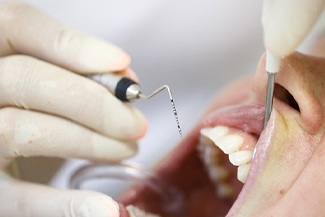
You play a critical role in keeping your gums healthy. Every day, you should take care of your teeth and gums by brushing twice and flossing once. Also, you need to come to our Melbourne practice twice a year for a dental checkup and cleaning. During this appointment, we can remove hardened plaque and bacteria and stop gum disease at its earliest stage, protecting your smile and your overall health for the long term.
Could you have gum disease? If you think you do or if it’s been a while since your last dental visit, contact our experienced team for an appointment. We’ll be happy to get your smile back on track!