
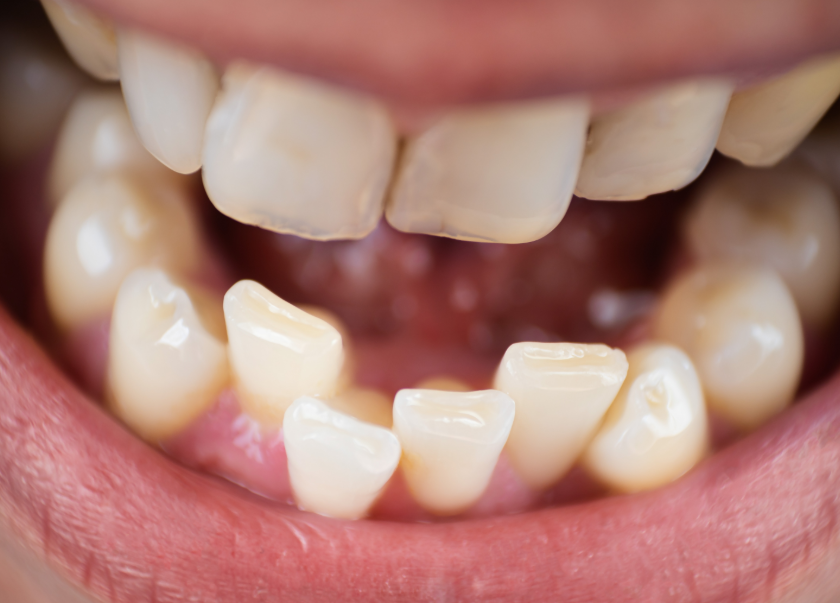
Many people assume that once their teeth are straight, they’ll stay that way forever. Unfortunately, teeth can gradually shift throughout life for a variety of reasons. Sometimes the changes are subtle, while other times they may noticeably affect your bite, smile appearance, or oral health.
The good news is that modern dental treatments can often correct shifting teeth comfortably and discreetly. Understanding why teeth move in the first place is the first step toward protecting your smile.
Aging and Natural Changes
As we age, our teeth naturally experience small movements over time. The jawbone and surrounding tissues can gradually change, causing teeth to drift slightly out of alignment. This is especially common with the lower front teeth, which often become more crowded with age.
Even people who had braces years ago may notice mild shifting later in life. Without long-term retainer use, teeth may slowly begin moving back toward their original positions.
Teeth Grinding and Clenching
Grinding or clenching your teeth—also known as bruxism—can place significant pressure on your smile. Over time, this repeated force may contribute to tooth movement and bite changes.
Many people grind their teeth during sleep without realizing it. In addition to shifting teeth, bruxism can also cause worn enamel, jaw discomfort, headaches, and tooth sensitivity.
Gum Disease
Healthy gums and bone help hold teeth firmly in place. When gum disease develops, the supporting structures around the teeth can weaken. As the gums and bone deteriorate, teeth may loosen or begin to shift.
You may notice gaps developing between teeth, changes in your bite, or teeth that suddenly feel slightly loose. Treating gum disease early is important not only for your oral health but also for maintaining proper tooth alignment.
Missing Teeth
When a tooth is lost and not replaced, the surrounding teeth may begin drifting into the empty space. This movement can gradually affect your bite and alignment, sometimes leading to crowding or uneven spacing.
Even a single missing tooth can influence the position of nearby teeth over time. Replacing missing teeth promptly can help prevent these shifting patterns from worsening.
Wisdom Teeth Pressure
Although wisdom teeth don’t always directly cause crowding, impacted or erupting third molars can sometimes contribute to pressure in the back of the mouth. This may worsen existing alignment issues for some patients.
Your dentist can monitor wisdom teeth development and recommend treatment if they appear likely to create oral health problems.
How Dentists Can Correct Shifting Teeth
Fortunately, there are several ways to address teeth that have moved out of alignment. The best solution depends on the severity of the shifting and your individual smile goals.
For many patients, clear aligner treatment offers an effective and discreet option. Systems like SureSmile use custom-made clear trays to gradually guide teeth into better positions without the appearance of traditional braces. Because the aligners are removable, patients can continue enjoying their favorite foods while maintaining normal brushing and flossing routines.
In some cases, cosmetic solutions such as veneers may help improve the appearance of mildly uneven or spaced teeth. Veneers do not physically move the teeth, but they can create the appearance of a straighter, more balanced smile for certain cosmetic concerns.
Your dentist can evaluate your teeth, bite, and oral health to recommend the most appropriate treatment for your needs.
Teeth shifting is common, but early attention can often make treatment simpler and help preserve a healthier, more confident smile.
About the Practice
Dr. Chenet and Dr. Derek specialize in personalized cosmetic and orthodontic solutions designed to improve smile alignment and appearance. Our experienced dental team offers SureSmile clear aligner treatment to help patients straighten teeth comfortably and discreetly. Scheduling your consultation is the first step in achieving the smile of your dreams.
Call us at (321) 253-3136 or schedule your appointment online.